
Secret Aircraft Designs of the Third Reich
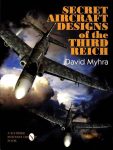
by David Olaf Myhra
Unless you already know a bit about this subject you’ll probably be surprised how many hundreds of advanced aircraft projects were on the drawing boards at the end of WWII. In political terms it’s a good thing that that’s were they stayed, denying Germany the technological supremacy that would have altered the outcome of the war.
Legends of the Open Road: The History, Technology and Future of Automobile Design
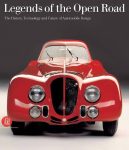
by Gabriella Belli (Editor)
The “Mart” (Museo di Arte Moderna e Contemporanea) logo on the title page and the following three pages of densely printed names of staff, collectors and donors etc. are your first clue that this book might have something do to with a museum show. And so it does.
Karoserie Petera
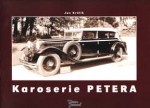
by Jan Králík
Petera is not the first name that springs to mind when one thinks “coachbuilder.” However, this Czech firm was one of the most important coachbuilding firms in Central Europe from 1908 to the late 1970s, first making horse-drawn vehicles, sledges and hearses, then automobiles, trucks, coaches, and even gliders during World War Two.
London’s Airports: Useful Information on Heathrow, Gatwick, Luton, Stansted and City
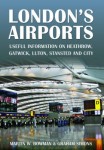
by Bowman & Simons
London, the capital city of England and the United Kingdom, has been a major settlement for two millennia. While hard numbers constantly change, modern-day London did and may still lay claim to the largest GDP in Europe and the most international visitors of any city anywhere.
Preston Tucker & Others: Tales of Brilliant Automotive Innovators and Innovations
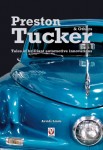
by Arvid Linde
The book’s basic premise is true enough: at all times and in all fields there are those who think outside the box. More often than not they are unlauded, misunderstood, and unrewarded in their own time. Worse, they may be forgotten altogether—hence a book like this.
Something Quite Exceptional: Hugh Easton and the Battle of Britain Memorial Window for Rolls-Royce
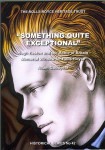
by Adam Goodyear
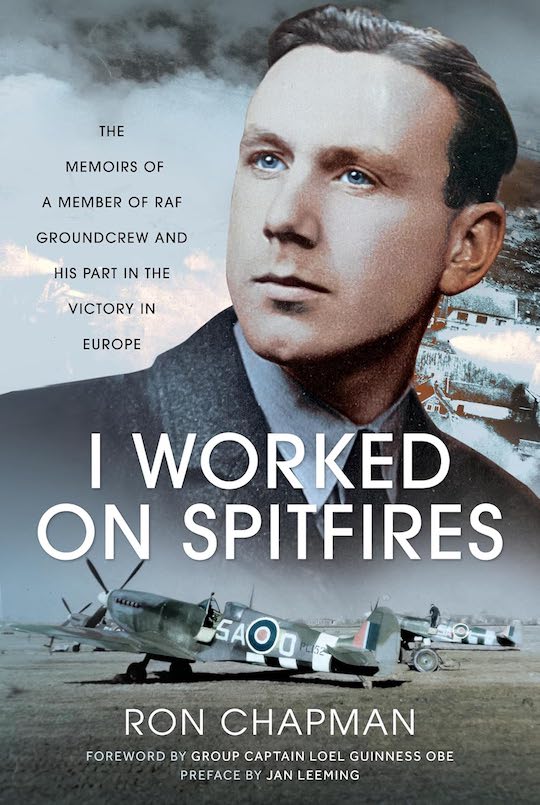
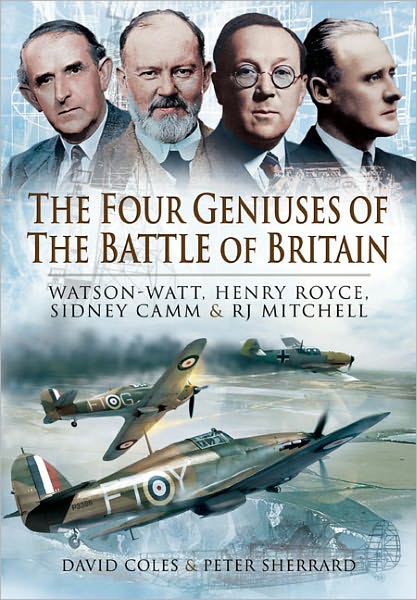
Many aircraft have been, and are, powered by Rolls-Royce engines. In the WWII context it is of course the Spitfire with its Merlin engine that tops the list. It played a pivotal role in the Battle of Britain, where, against formidable odds the pilots of the planes it powered turned the tides of war.
Runways and Racers: Sports Car Races Held on Military Airfields in America 1952–1954

by Terry O’Neil
Published a year after O’Neil’s 2010 opus Northeast American Sports Car Races 1950–1959 this new book on a directly related topic is not a sequel but, chronologically speaking, a prequel.
Avanti: Studebaker and Beyond
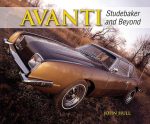
by John Hull
The marketing blurb for this photo-history book is “spot on” for anyone who is already knowledgeable regarding the marque. On its 94 pages are 120 large, sharp images that permit all the details of the scenes from the decades of Avanti history to be seen clearly. Avanti enthusiasts will enjoy perusing the pages and then studying them again more closely.
The Big Spenders
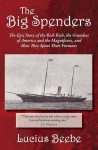
The Epic Story of the Rich Rich, the Grandees of America and the Magnificoes, and How They Spent Their Fortunes
by Lucius Beebe
Automobile folks couldn’t possibly be ignorant of the Pebble Beach Concours d’Elegance, first held in 1950. In its early days, one name was inseparable from the event: bon vivant and concours judge since 1954 Lucius Morris Beebe.
Brands Hatch: The Definitive History of Britain’s Best-Loved Motor Racing Circuit
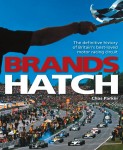
by Chas Parker
In declaring to write the “definitive history” Parker set himself an ambitious target. Competition may have been sparse—Brands published several histories decades ago, and Parker himself was between writing a pair of simple guidebooks to racing there.
My First Car
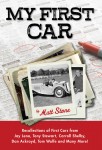
Recollections of First Cars
by Matt Stone
Right out of the box this book looks as if the people making it had a good time! Clever cover art. Smart book jacket blurbs. On the Impressum page even the editor and designers got to list their own first cars. Drum roll, please.
Race to the Sky: The Wright Brothers Versus the United States Government
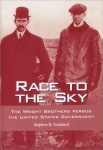
by Stephen B Goddard
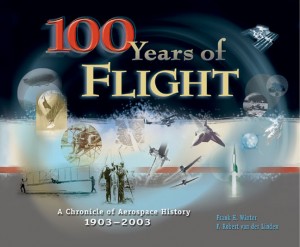
It is positively exciting to think that only three short years lie between the Wrights launching an unmanned kite/glider, then strapping themselves to it, learning by trial and error how to control it, and then, in 1903, achieving mankind’s first powered, controlled, heavier-than-air flight.








 Phone / Mail / Email
 RSS Feed
 Facebook
 Twitter