
Automotive Trade Journal
Imagine a dedicated reader, one who has a handful of favorite novels that are, through the decades, reread often. Although the plot is well known, this reader approaches the book with a willing suspension of this knowledge and, as the book draws to its conclusion, this foreknowledge does not diminish the sadness found in Anna’s self-destruction, the perplexity, anger and sympathy triggered by Lord Jim’s final misjudgment, the sacrifice of Magister Ludi, or the complex irony of Gatsby’s murder. This type of reader suppresses her foreknowledge and is surprised, perhaps shocked, perhaps saddened, by the inevitable dénouement.
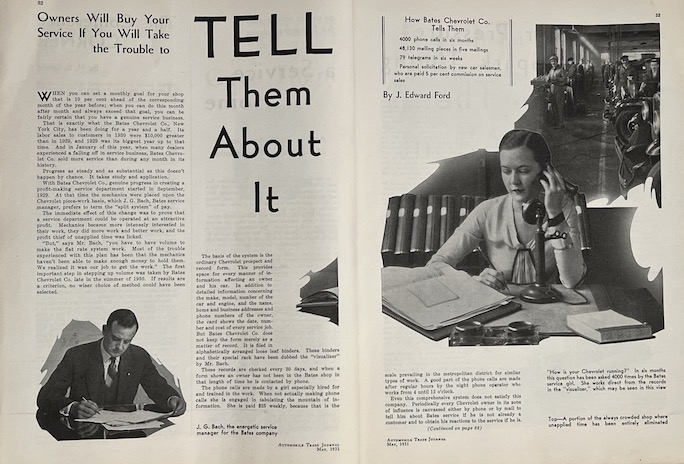
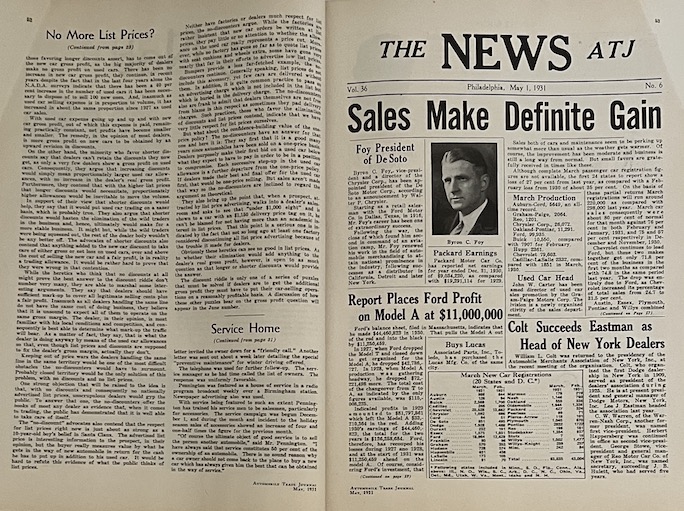
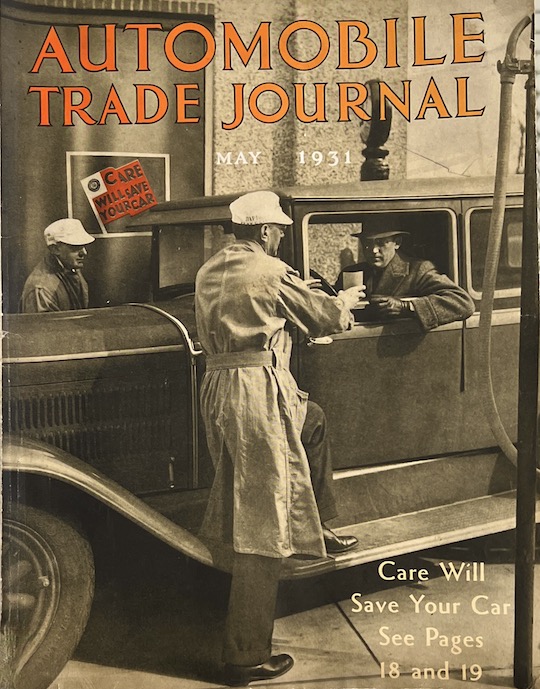
This Trade Journal suggests a similar response. As we flip through the pages, we find ourselves smiling, bringing up in the mind’s eye automotive images of a particularly loved model, as the affairs of Hudson, DeSoto, Cord, Duesenberg, and other lesser known brands such as Durant and Franklin, are discussed, graphed, editorialized, and advertised. This journal’s purpose, besides gaining revenue from its myriad advertisers, is to present automotive industry news and gossip; highlight the business end, the loss and profit of the players; explore technical techniques and advances; and suggest business practices that will increase the bottom line for dealerships. Cartoons and a feature story of Knute Rockne add levity and inspiration.
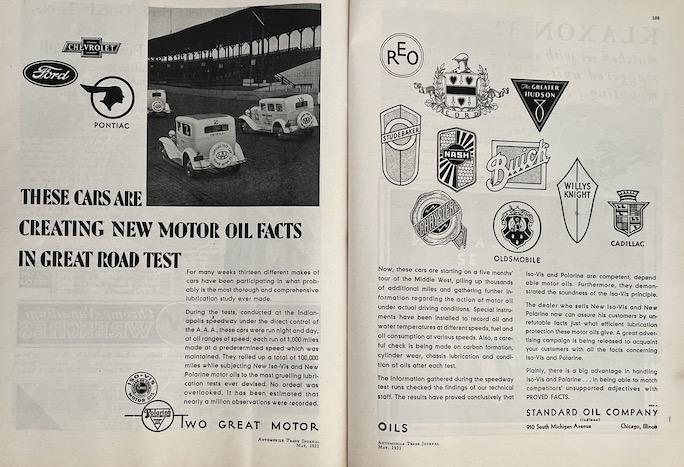
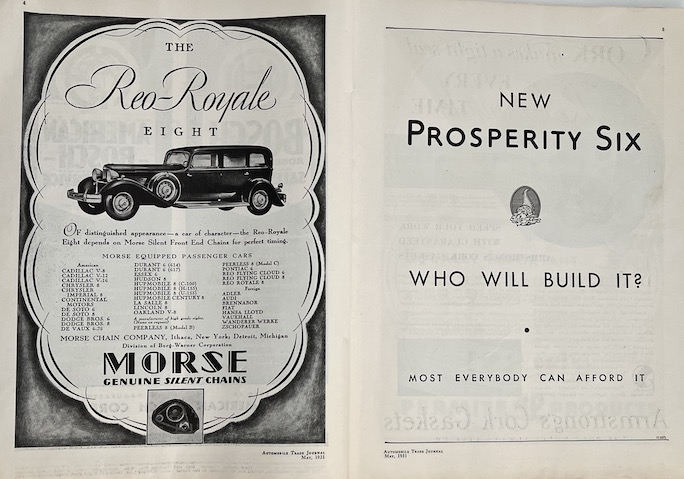
It is 1931. The Great Depression is in its infancy. Whether the editors are still optimistic as to the continuing growth of the industry or whether they want to instill an optimistic mindset for their readers remains substantially unresolved. And like the readers mentioned above, we modern-day readers will want to ignore our awareness of history, and, as we read through these 152 pages, enjoy the recollections of long defunct marques, get insight into the technology of the era, and savor the now quaint photographs, ink drawings and page layouts of the journal. Even so, we cannot but acknowledge, even if the acknowledgement is pushed to the back of our minds, that all of this will not end well. Those fondly remembered brands mentioned above, along with others all but forgotten, did not survive the years to come; and it wasn’t until the post-World War II American resurgence of production and wealth that the trajectory changed for the better and all went smoothly—at least for a few decades afterwards. This magazine, then, holds an historic weight, and it opens quite an interesting window into the manufacture of automobiles during the early stage of the Great Depression.
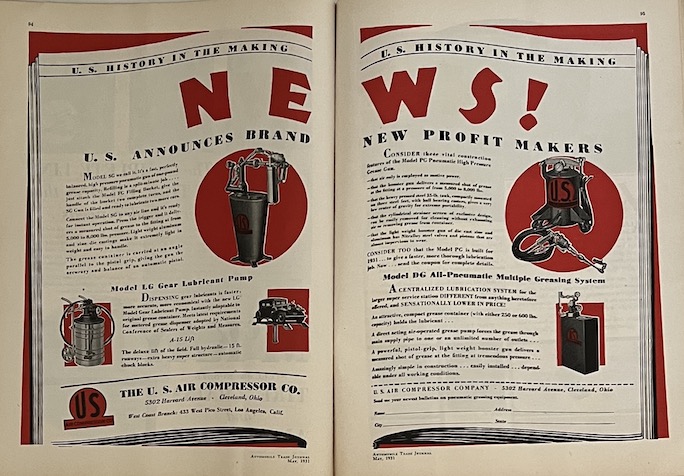
Automobile Trade Journals from the 1930s are available online. Expect to pay between $18–$50. Recommended for automotive historians and classic car enthusiasts.
Copyright 2025, Bill Wolf (speedreaders.info).















































 Phone / Mail / Email
 RSS Feed
 Facebook
 Twitter