

Archive for Items Categorized 'Maritime', only excerpts shown, click title for full entry.
Ocean Liner Posters
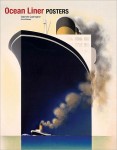
by Cadringher & Massey
Ocean-crossing passenger ships did not make the world a global village but they were, especially when steam replaced (or augmented) sail which allowed them to overcome the capriciousness of wind and current, the first and for quite a long time only means of personal transport to different parts of the planet on a more or less repeatable and predictable basis.
Building Chris-Craft: Inside the Factories
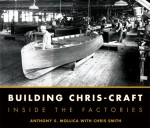
by Mollica & Smith
The quality and appeal of the boats made by “America’s oldest manufacturer of powerboats” was such that a large number of buyers subscribed to the advertising slogan “Without a Chris-Craft, life at a shore resort or summer home cannot be called living.”
The Big Spenders
The Epic Story of the Rich Rich, the Grandees of America and the Magnificoes, and How They Spent Their Fortunes
by Lucius Beebe
Automobile folks couldn’t possibly be ignorant of the Pebble Beach Concours d’Elegance, first held in 1950. In its early days, one name was inseparable from the event: bon vivant and concours judge since 1954 Lucius Morris Beebe.
Ships and Shipbuilders: Pioneers of Design and Construction
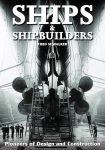
by Fred M Walker
To the uninitiated, “Rina” may sound like the name of the girl next door but RINA, or rather the RINA, is really the venerable Royal Institution of Naval Architects which celebrated its 150th anniversary in 2010, which occasioned this book.
British Warships in the Age of Sail 1603–1714: Design, Construction, Careers and Fates
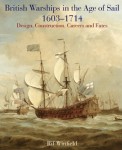
by Rif Winfield
If all you know about sailing ships comes from the occasional pirate movie, the level of magnification this book and its two companion volumes bring to the task is probably overkill. Even for the fairly specialized reader these books are hardly casual reading.
A Century of Carrier Aviation: The Evolution of Ships and Shipborne Aircraft
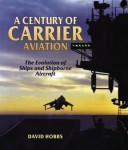
by David Hobbs
Naval Aviators have a reputation for thinking they’re the cat’s meow. This book looks at the hardware and the environmental factors that make their jobs so challenging.
The Art of the Engineer
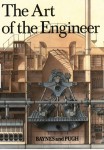
by Ken Baynes and Francis Pugh
Nothing as powerful as a revolution happens without a plan. A “plan” in the most literal sense is what made the Industrial Revolution possible. In the context of this book it refers to the scientific illustrations that precede the actual building of things.
Galveston’s The Elissa, The Tall Ship of Texas
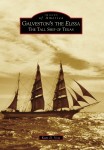
by Kurt D. Voss
Today the Elissa is recognized as “one of the finest maritime preservation projects in the world.” This slim book capably recounts her colorful story.












 Phone / Mail / Email
 RSS Feed
 Facebook
 Twitter