
Monocoques and Ground Effects
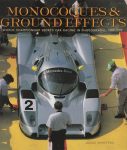
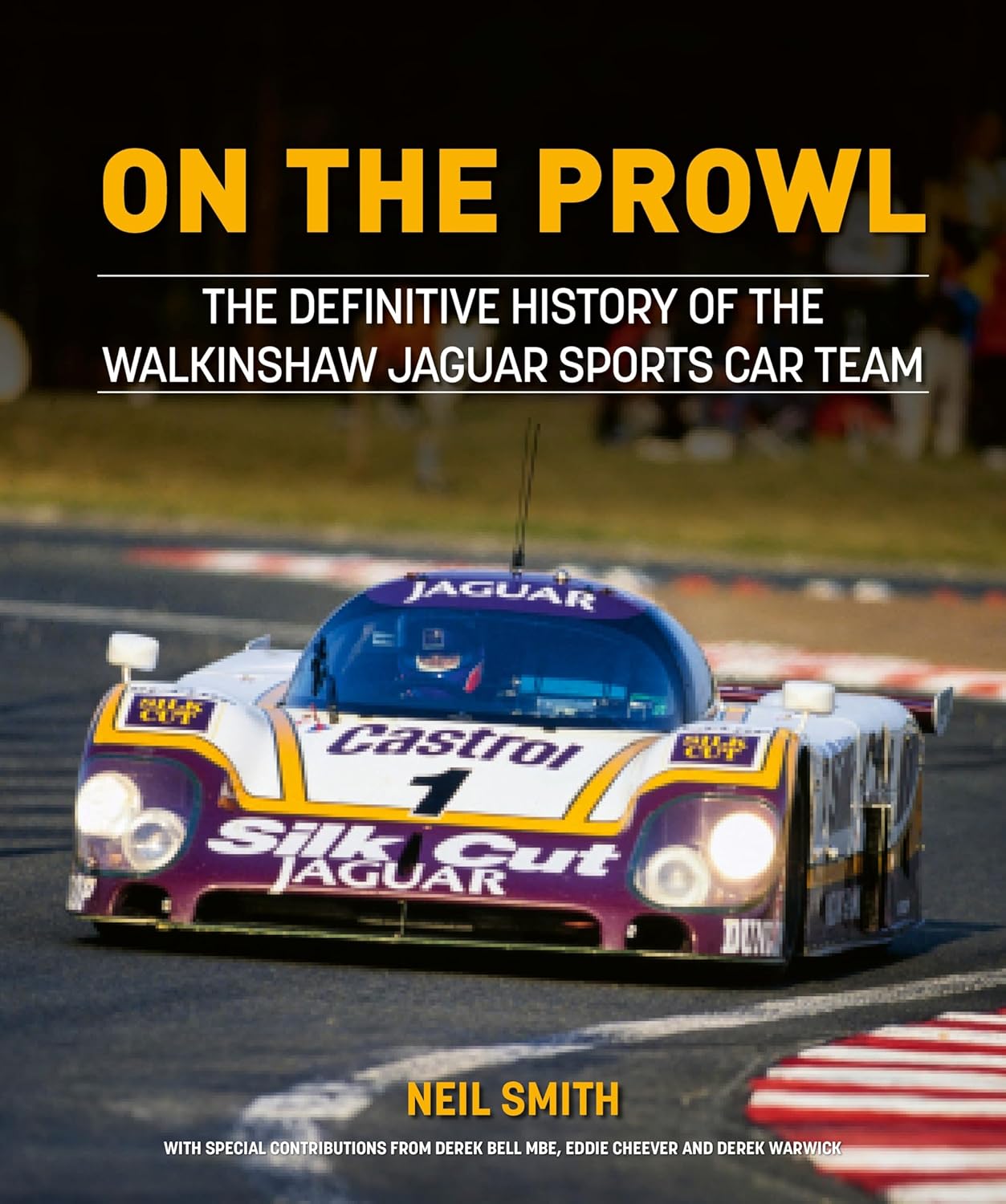
World Championship Sports Car Racing in Photographs, 1982–1992
by János Wimpffen
The WSC was a worldwide racing series for sports cars administered by the FIA from 1953 to 1992. The era covered in this book would be the last for the WSC, even if it did start out as a veritable renaissance for the series.
The Allure of the Automobile: Driving in Style, 1930–1965
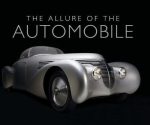
by K Gross & R T Labaco
In 2010 the High Museum of Art in Atlanta staged a three-month exhibit of 18 cars it felt best illustrated the theme of “driving in style.” To call this book a “catalog” of the exhibit seems inadequate: it is a proper stand-alone book, with a topic and a purpose entirely independent of the show.
Lost Hot Rods: Remarkable Stories of How They Were Found
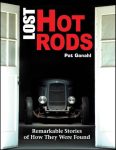
by Pat Ganahl
Every time a hot rod got sold the new owner would personalize the vehicle and no one back then ever thought rods would become collectable or “important.” You see the predicament “hot rod archeologists” like Ganahl face when looking for “historic” or “original” rods.
Advanced Engine Development at Pratt and Whitney

by Dick Mulready
Why is it that some “inside stories” sparkle and others fizz? While generally not a riveting read, all that changes when the liquid hydrogen hits the turbo pump and the fizz turns to fire, roasting NASA and Rocketdyne.
The Art of Bugatti: Mullin Automotive Museum
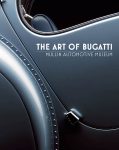
by Adatto, Kruta, Japp; photos by Furman
The book title notwithstanding, this museum is not just about Bugattis or, for that matter, cars. They do feature prominently but the purpose of the museum is an overall celebration of Art Deco in its totality, from artwork to furniture and cars to lighting—all exemplified by the extended Bugatti clan.
You Can’t Wear Out an Indian Scout: Indians and the Wall of Death

by A J Ford & N Corble
If you’ve never seen near-vertical motorcyclists careening around a Wall of Death you’ll need to have 3D-capable imagination to fully appreciate the gut-wrenching gravity-defying stunts! This book examines what it is that makes the Scout the tool of choice for wall riders.
History of Air-to-Air Refuelling

by Richard M. Tanner
“Fill ‘er up!” How would you do if you had to fill up while you’re moving, and the pump is moving, and the hose is moving? And you can’t just reach out and grab the nozzle with that wonderfully articulated arm of yours—instead you have to maneuver the entire vehicle—which is the length of a city bus, or two—and line up the filler neck with the nozzle just so. And let’s throw in wind….
Ces belles voitures dont a rêvé mon père

by Xavier de Nombel & Patrice Vergès
The authors of this book are fixtures in the French automotive world. Both grew up in postwar France, when cars when cars were difficult to obtain and sometimes extravagantly expensive. Here they describe “their father’s dream cars.”
Ferrari 250 GTO: The Definitive History of a Legend
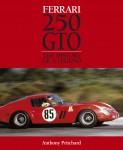
by Anthony Pritchard
Now, the quintessential iconic Ferrari 250 GTO is surely one of those cars that needs no introduction but if all you know is that it fetches record prices you may be curious about the story behind the car—and wince at the fact that there really was a time when you (almost) couldn’t give them away!
Original Austin-Healey: The Restorer’s Guide to 100, 100-Six and 3000
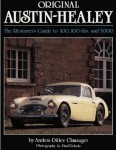
by Anders Ditlev Clausager
The appeal of the 1953–1968 Big Healeys may be timeless but their innards are not. Naturally, not everything that has perished has been replaced with the correct parts or proper finishes, and the information in this book will provide the restorer and potential buyer with a definitive catalog of the way things should be.
Art Deco and British Car Design: The Airline Cars of the 1930s
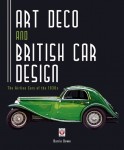
by Barrie Down
Some of the most beautiful cars ever built were made during the 1930s, in Europe and America, and Down’s eagerly awaited book showcases the cars that reflected the Art Deco school of design.
Original Mini Cooper: The Restorer’s Guide to 997 & 998 Cooper and 970, 1071 & 1275 Cooper S
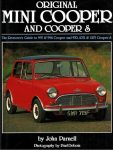
by John Parnell
As quintessentially British as the Rolls-Royce the Mini occupied the very other end of the sociological spectrum. Despite of this the Mini was, as UK designer Terence Conran called it, “a classy little classless car.”


























 Phone / Mail / Email
 RSS Feed
 Facebook
 Twitter