
Adrian Newey: An Illustrated Biography of F1’s Greatest Designer
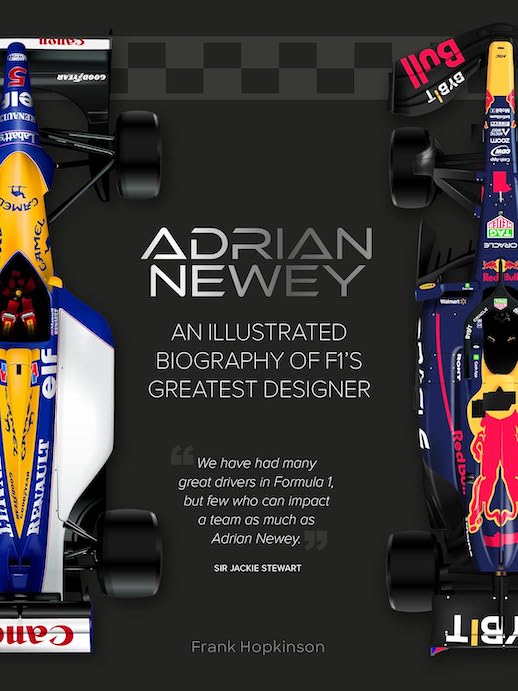 by Frank Hopkinson
“Even today, racing teams are not big enough to be research institutes, so we plagiarise and use whatever we see available.”
Once upon a time, race car designers were anonymous backroom boys. Slide rule and drawing-board geekery was never going to outshine an Adonis of a driver with a Hollywood honey on each arm.
Back when my world was mostly black and white, only the really “out there” visionaries, notably Colin Chapman, were well known. For Enzo Ferrari and most of his contemporaries, a race car chassis was an incidental necessity, serving only as the stage upon which an operatic V12 or bellowing straight six would sing its arias. But engines (sorry, “power units”) have long since been relegated to support act status, as what elevates a race car from also-ran to winner is the alchemy of aerodynamics.
 Chaparral’s Jim Hall, “father of ground effect” Peter Wright, hired gun Tony Southgate, and fan man Gordon Murray are some of the bigger dogs in design but the dog with the biggest bite of all is Adrian Martin Newey, OBE (b. 1958). From sports and Indy race cars to Formula One and roadgoing hypercars, Newey has repeatedly raised the bar. He might be encountering stormy waters in 2026, with an underperforming Aston Martin F1 car, but you’d be a fool to bet against a Newey-led recovery. He’s already made it very clear that the car’s lack of pace isn’t his fault by throwing Honda under the bus at press conferences!
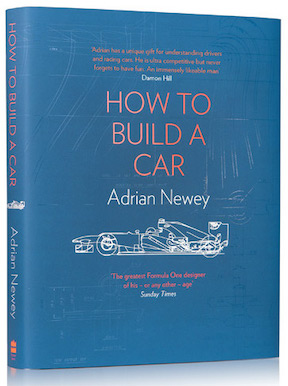
There are only two Adrian Newey biographies (a dozen short of the number of Lewis Hamilton bios), How to Build a Car, by Newey himself, and now this new book from Ivy Press, “unofficial and unauthorized” though it is.
The obvious question is whether Frank Hopkinson‘s book tells us anything we don’t already know? And, if it doesn’t, is it still worth reading?
First impressions are pretty favorable, as it’s a compact (7.7 x 9.4″), chunky work whose low price belies its quality. The font size is on the squinty side of legible, but the layout is pleasing, and 200+ photos and diagrams make it an easily digested 240 pages.
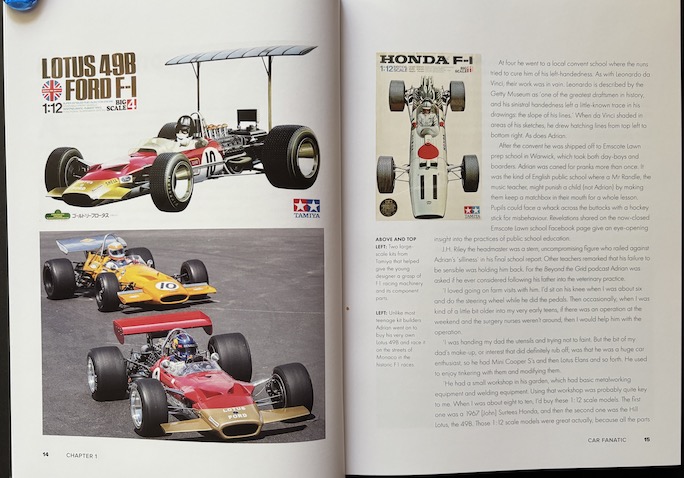
Young Adrian cut his teeth building 1/12 scale models (the two top images) and learning the names of parts from the instruction manuals and observing or deducing their interplay.
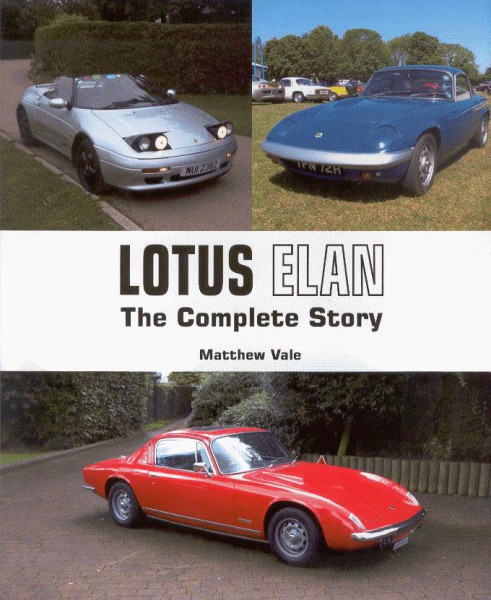
After an introductory chapter on Newey’s early life (“Adrian was born in a random house amid the kindness of strangers”)—dad’s Lotus Elan, Tamiya Lotus 49B, antics of an awkward, left-handed kid at a posh school— the book devotes a chapter to each key stage in its subject’s career. There was success with March and Lola in the US but, thanks to the Anglocentricity of what is now called the legacy media, it really wasn’t until Newey’s Leyton House March era that his name was heard in the F1 community.
The gorgeous little March 881 set the template for the “shrink wrap” school of design, and if the team’s dodgy finances and iffy management hadn’t screwed its prospects, March might have had more victories than the trio it did manage, all long before Newey’s arrival. As Newey puts it, “In terms of providing a template for future designs, it [the 881] was probably the most important of my career.” I’d have paid good money to watch Nigel Mansell trying to insert his ample ass into the Leyton House cars, as the author puts it, “. . . it might have gone fast if Ivan Capelli were able to change gear.”
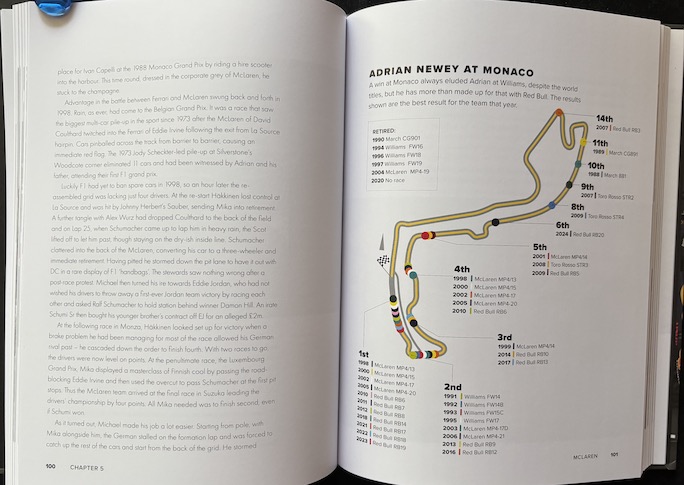
The rest of Newey’s career has all been in the public arena. The aero geek with the genius vision enabled Williams to annihilate the opposition and, if Messrs Williams and Head hadn’t espoused such an old school management style, Williams would soon have been forgetting how to lose. But Newey was enraged by not having been involved in the decision to sign Jacques Villenuve: “. . . the old lunchtime decisions over a fine bottle of wine were still in place.” And everybody except Frank Willliams and Patrick Head knew that sacking World Champion Damon Hill in favor of signing Heinz Harald Frentzen was absurd, so Newey hightailed it PDQ for McLaren.
That was nearly thirty years ago, and Newey hasn’t stopped winning yet. A pessimist might suggest that the current Aston Martin disaster will become the dark star in a glittering galaxy. He’s come close to disaster before—if the Jaguar affair had ever been consummated, it would have ended in a sea of Fomoco tears but, thankfully, it remained a lavender marriage. I can imagine Newey’s expression when being told, during his early days with Red Bull (into which the Jaguar team had transitioned), “. . . please be aware that we at Jaguar have our way of doing things, and we expect you to fit in.”
Such insights will endear the book to readers unfamiliar with the minutiae of Adrian Newey’s career, assuming they haven’t already read How to Build a Car. But the problem with an unofficial, authorized biography is that absent its protagonist’s involvement it cannot penetrate beyond the already-known. If you have read Newey’s own (brilliant) book, if you listen to F1 podcasts, and read the specialist press—notably Motor Sport and Autosport—you’re not going to learn much you don’t already know.
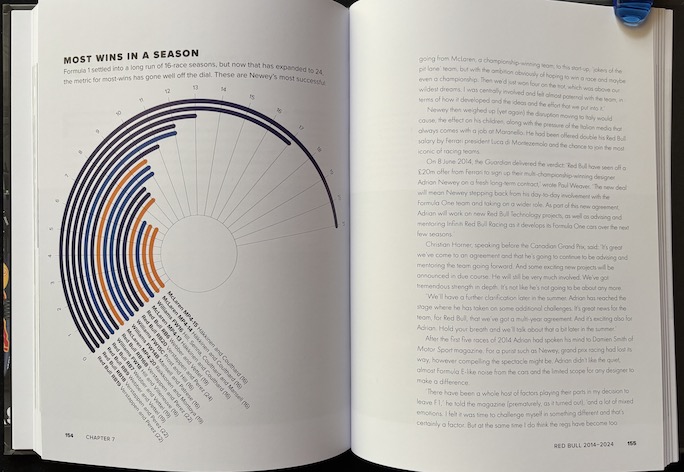
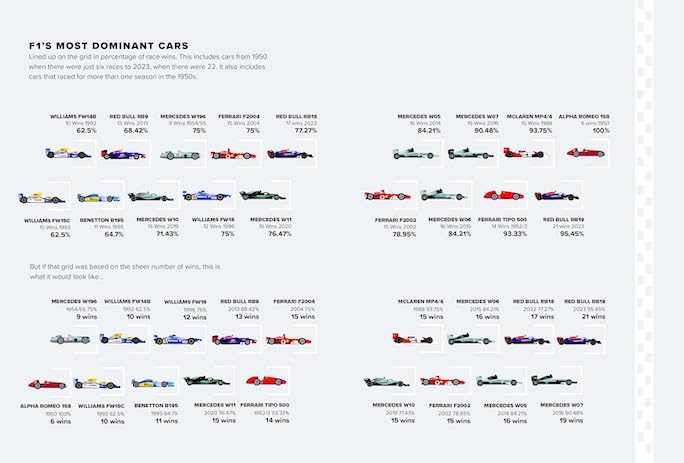
Graphic treatments can make data not just easier to apprehend but reveal at a glance relationships that would require many words to describe.
Frank Hopkinson does tell the Newey story well and he avoids hagiography by making this a “warts and all” bio. And the pictures are fine (if small and often familiar) and the page design pleasing. But my blood pressure spiked when I saw (shudder) Alpha Romeo—twice. Nurse! And ignorant clod that I am, I didn’t know what a Manhattan diagram was but, now that I do, I shall insert it into conversation. Literally and metaphorically, the Manhattans in the book are graphic illustrations of the altitudes this genius designer with the historic racing side hustle has scaled. All this and a rather endearing side order of rock star misbehavior . . .
You should buy this book if you need a quick and easy summary of Newey’s career. But then you need to read Newey’s own book and savor every page. You’ll thank me. I’ll plead guilty to damning with faint praise, but in mitigation I confess that I struggle to understand the identity of this book’s intended readership.
Copyright John Aston, 2026 (speedreaders.info)




































 Phone / Mail / Email
 RSS Feed
 Facebook
 Twitter