
Archive for Items Categorized 'Military', only excerpts shown, click title for full entry.
The Secret Years: Flight Testing at Boscombe Down 1939–1945
by Tim Mason
Everything the Royal Navy, Army, and Air Force was supposed to put in the air needed to be tested first. Written by a test pilot of a later era, this book describes this once highly classified work.
Fatal Army Air Forces Aviation Accidents in the United States, 1941–1945
by Anthony J. Mireles
War is bad; people die. But war isn’t just combat but also preparing for war. Did you realize that in aviation, more US lives were lost in training than in actual combat? Mireles started counting them—and isn’t done yet.
Ultimate Spitfires
by Peter Caygill
This book looks at the later marks of the famous airplane and their special modifications.
On and Off the Flight Deck: Reflections of a Naval Fighter Pilot in World War II
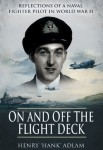
by Henry A Adlam
If your eyes are glazing over at being proffered yet another memoir of WWII flyboy derring-do, relax, this one is different.
Frontline and Experimental Flying with the Fleet Air Arm
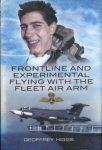
by Geoffrey R Higgs
A British naval flyer relates his 35 years of service at the controls of 100 different aircraft, from single-engine propeller plane to multi-engine jet.
Fall of Eagles, Airmen of World War One
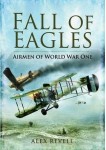
by Alex Revell
By portraying the men at the controls, and using their own voices real and imagined, this book hits a nerve that dry stats do not.
Surviving Fighter Aircraft of World War Two: A Global Guide to Location and Types
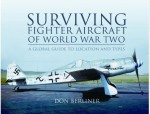
by Don Berliner
Some 4000+ of around 750,000 aircraft built for WWII survived—this first of three books offers a guided tour of what they are and where they are.
Vulcan Test Pilot: My Experiences in the Cockpit of a Cold War Icon
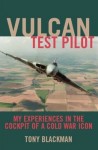
by Tony Blackman
Although there have been many books written about the Vulcan bomber program, this is the first to be authored by one of the project’s test pilots. Blackman logged over 1300 hours flying 105 of the 136 copies built and offer here a first-hand commentary
Robert Taylor’s Battle of Britain: Commemorative Collection
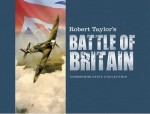
by Robert Taylor
WWII’s Battle of Britain was the first major campaign in which aerial warfare was a, if not the, decisive factor. Its 70th anniversary in 2010 prompted this compilation book of paintings by one of the dominant names in aviation (and other military) art.
Sänger: Germany’s Orbital Rocket Bomber in World War II
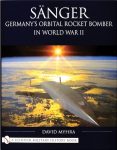
by David Myhra
Everyone knows NASA’s Space Shuttle. Many know the X-15 and -20. But few outside the rocketry community know the craft or the man that provided key theoretical underpinnings for their propulsion systems and the principle of the lifting body, Eugen Sänger.
TSR2 – Britain’s Lost Bomber
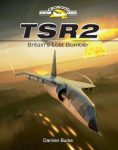
by Damien Burke
Developed in the late 1950s this revolutionary aircraft was cancelled in 1965 after only one prototype was completed and flight testing had just begun. The word “bomber” in the title alongside the program designation “TSR” (Tactical Strike Reconnaissance) is an indication of the friction that would first lead to muddled development and ultimate cancellation.
U.S. Naval Aviation
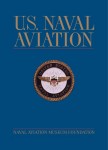
by M. Hill Goodspeed & Richard R. Burgess
After taking a first, skeptical look at the newfangled flying machine in 1898 it would take until May 8, 1911 that the Navy placed its first order for a proper aeroplane, and that day was later designated as the official birthday of naval aviation in the US. First published in 2001, this now revised and updated version of the book celebrates a big round number: 100 years.












 Phone / Mail / Email
 RSS Feed
 Facebook
 Twitter