
Archive for Items Categorized 'History', only excerpts shown, click title for full entry.
The Battle of Britain

by Kate Moore
You could go broke buying every single book about the Battle of Britain, and blind reading them all. This one is easy on the wallet, easy on they eyes, and a well-rounded overview. This book’s particular appeal lies in the sensitive weaving together of individual human voices and the maelstrom of history.
100 Years of Flight, A Chronicle of Aerospace History 1903–2003
by Frank H Winter & F. Robert van der Linden
Published by the two most prestigious institutions in the field, the American Institute of Aeronautics and Astronautics and the Smithsonian’s National Air and Space Museum, this compendium chronicles in timeline fashion the century of endeavor since the Wright Brothers’ first heavier-than-air flight in 1903.
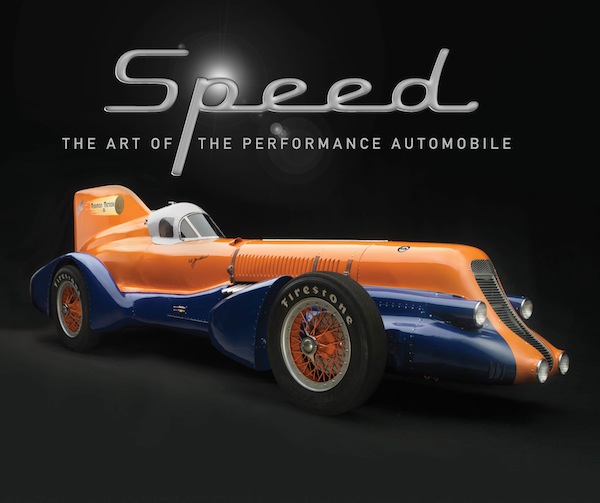
Merchants of Speed: The Men Who Built America’s Performance Industry
by Paul D Smith
One of the many cultural developments that accompanied the end of WWII was the rising interest (some might say craze) for automotive performance that continues to this day. Read about the automotive visionaries that made it so.
The Bahamas Speed Weeks
by Terry O’Neil
At six years in the making, this book took almost half as long to compile as the event itself lasted—13 years, starting in 1954. It is the first and to date only book to chronicle an event whose importance on the motorsports calendar is difficult to peg.
Sunderland Over Far-Eastern Seas: An RAF Flying Boat Navigator’s Story
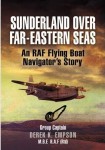
by Group Captain Derek Empson
This autobiography is the first account of post-WWII operations conducted by Sunderland flying boats assigned to the British RAF’s Far East Air Force Flying Boat Wing (FEFBW). Empson was 21 and a newly minted RAF navigator on his first tour of duty with just 450 flying hours under his belt.
The Marmon Heritage
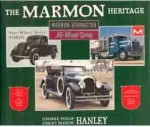
by George Philip & Stacey Pankiw Hanley
Marmon approached the auto industry methodically by hiring university trained engineers and building thoroughly tested prototypes. They then designed bespoke production facilities to build the end result.
Abarth: The Man, The Machines
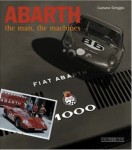
by Luciano Greggio
As with several other automotive histories author Greggio has to his name, this one too ranks among the serious, reference-level literature. It is the story of Alberto Abarth whose name and accomplishments are not nearly as well known as the staggering 7300 races between 1958 and 1971 in which cars built or enhanced by him were victorious.
La Carrosserie Française: du Style au Design
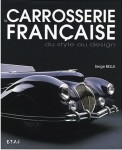
by Serge Bellu
(French) Right from the cover photo the book leaves no doubt that French cars look, well, different. This distinction—and it is a distinction—is as true today as it was at the very beginning of the automobile era.
The Engines of Pratt & Whitney: A Technical History
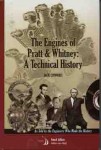
by Jack Connors
The title of the book may not be showstopper but the book is commendable on all counts that matter to a reader: it is written in an uncommonly engaging style, introduces new material to the record, makes it easy for the reader new to the subject to develop an interest in it.
Peace was Their Profession—Strategic Air Command: A Tribute
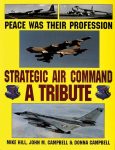
by Mike Hill, John M. Campbell & Donna Campbell
The title is derived from the Strategic Air Command’s motto “Peace is Our Profession” which insiders—who have earned the right—often amend to include “War is Our Hobby.” An alternate version is “Peace Through Strength—Victory Through Devastation.”
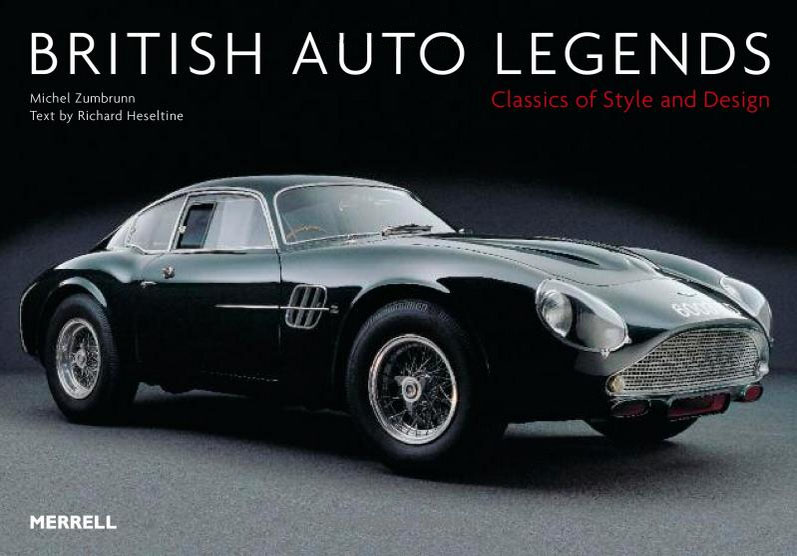
Jaguar, All the Cars
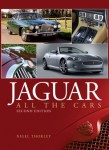
by Nigel Thorley
Thorley has written several excellent books on the marque. While past books have concentrated on specific models, this one covers the entire range of cars since the beginning, with a particular emphasis on postwar vehicles.
American Military Vehicles of World War I
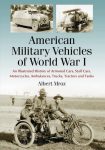
An Illustrated History of Armored Cars, Staff Cars, Motorcycles, Ambulances, Trucks, Tractors and Tanks
by Albert Mroz
For better or worse, war, or even the prospect of war gives rise to a degree of need and sense of urgency that accelerates development of whatever tools are deemed necessary to gain supremacy, be it throwing rocks at each other or splitting the atom.





 Phone / Mail / Email
 RSS Feed
 Facebook
 Twitter