
Archive for Author 'Sabu Advani', only excerpts shown, click title for full entry.
Abarth: The Man, The Machines
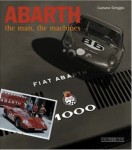
by Luciano Greggio
As with several other automotive histories author Greggio has to his name, this one too ranks among the serious, reference-level literature. It is the story of Alberto Abarth whose name and accomplishments are not nearly as well known as the staggering 7300 races between 1958 and 1971 in which cars built or enhanced by him were victorious.
Motor Racing: Reflections of a Lost Era
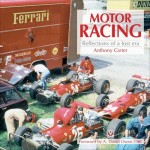
by Anthony Carter
You may already have stacks of books on European GP motor racing in the 1950s to the 1970s—and you still wouldn’t have seen these photos.
Concorde (Beniada)
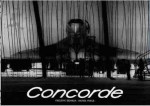
by Frederic Beniada & Michel Fraile
Spectacularly large photos of a spectacularly high-flying plane at a spectacularly low price! It is a tribute to the plane and the people who built and crewed it, not an all-inclusive nuts and bolts history.
La Carrosserie Française: du Style au Design
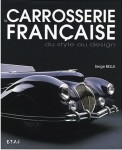
by Serge Bellu
(French) Right from the cover photo the book leaves no doubt that French cars look, well, different. This distinction—and it is a distinction—is as true today as it was at the very beginning of the automobile era.
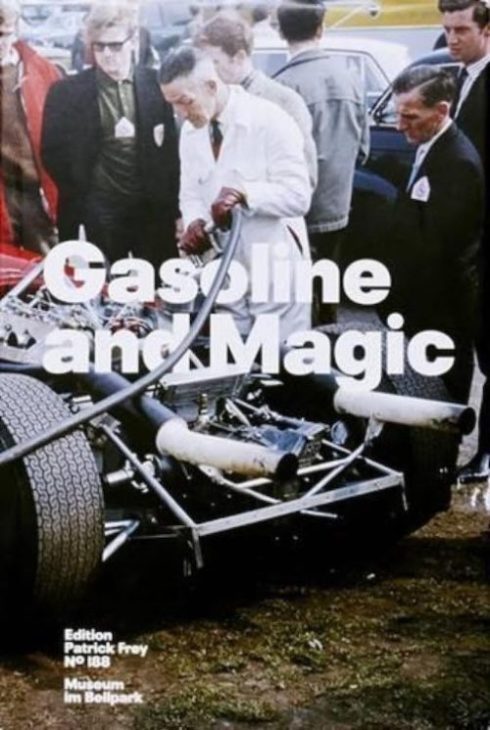
1950s Motorsport in Colour
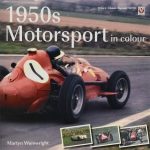
by Martyn Wainwright
If this book had a subtitle it would say “The Races and Hill Climbs of England and Ireland.” And it should have specified that for the sake of those readers/buyers who, in the absence of other information, make their book purchases based on title searches and might well have expected something different.
A Victorian Scientist and Engineer: Fleeming Jenkin and the Birth of Electrical Engineering
by Gillian Cookson and Colin A Hempstead
Admittedly, this topic is a bit removed from the field of transportation but electricity is an inseparable aspect of it. Moreover, there are not many books that shed light on the state of engineering or the education and training of engineers in the Victorian Age.
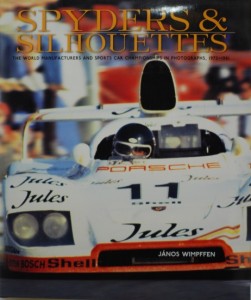
Spyders & Silhouettes: The World Manufacturers and Sports Car Championships in Photographs, 1972–1981
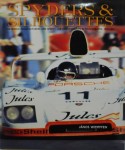
by János Wimpffen
A reader who went straight for the photos would be forgiven—they are the predominant feature of this and Wimpffen’s other three oversize and heavy books in this monumental series of photographic histories.
Art of the Formula 1 Race Car
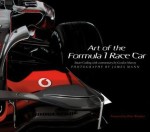
by Stuart Codling (Author) & James Mann (Photographer)
Racecars have a purpose and that purpose is speed not beauty. But beautyis not the subject of this book, art is. Bandying these terms about sounds almost flippant but there are serious distinctions and they merit deep thought.
Peace was Their Profession—Strategic Air Command: A Tribute
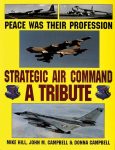
by Mike Hill, John M. Campbell & Donna Campbell
The title is derived from the Strategic Air Command’s motto “Peace is Our Profession” which insiders—who have earned the right—often amend to include “War is Our Hobby.” An alternate version is “Peace Through Strength—Victory Through Devastation.”
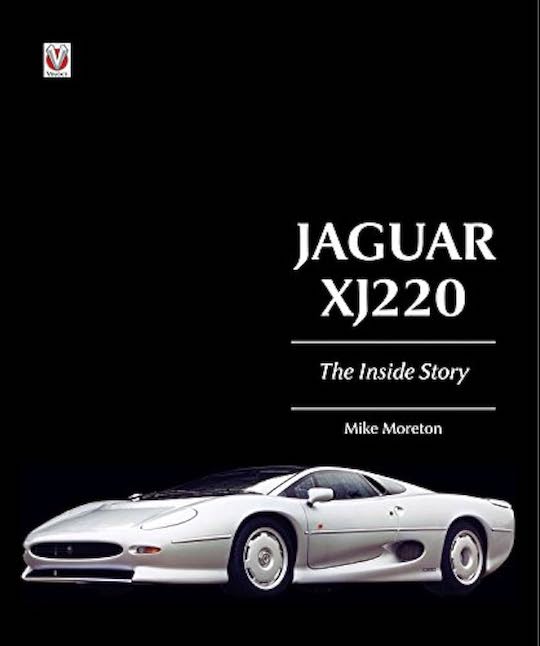
Jaguar, All the Cars
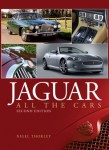
by Nigel Thorley
Thorley has written several excellent books on the marque. While past books have concentrated on specific models, this one covers the entire range of cars since the beginning, with a particular emphasis on postwar vehicles.
The Speed Merchants: A Journey through the World of Motor Racing, 1969–1972
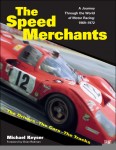
by Michael Keyser
Keyser tells the story of his involvement in some of the most high-pitched seasons of that time in motor racing, and he tells it from the rather unique perspective of photographer, driver, and filmmaker. All the storied people, cars, and race venues you’d expect are here.
Box Top Air Power: The Aviation Art of Model Airplane Boxes
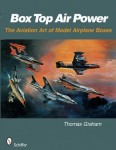
by Thomas Graham
This book presents about 170 examples of [a] “exemplary works” (in other words not everything under the sun) that [b] the author deems “artistically superior” (read: other people may have made other choices) of [c] predominantly US model kit makers (for European/Japanese kits look elsewhere).



 Phone / Mail / Email
 RSS Feed
 Facebook
 Twitter