
Archive for Items Categorized 'Aviation', only excerpts shown, click title for full entry.
U.S. Naval Aviation
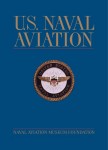
by M. Hill Goodspeed & Richard R. Burgess
After taking a first, skeptical look at the newfangled flying machine in 1898 it would take until May 8, 1911 that the Navy placed its first order for a proper aeroplane, and that day was later designated as the official birthday of naval aviation in the US. First published in 2001, this now revised and updated version of the book celebrates a big round number: 100 years.
The Concorde Story
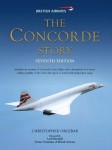
by Christopher Orlebar
First published in 1986 on the plane’s 10-year anniversary in commercial service this is the only one of the many, many books to have reached a service life—25 years—almost as long as that of the aircraft—27 years—it covers. Continuously reprinted/updated the book is now in its 7th edition and has sold in excess of 100,000 copies!
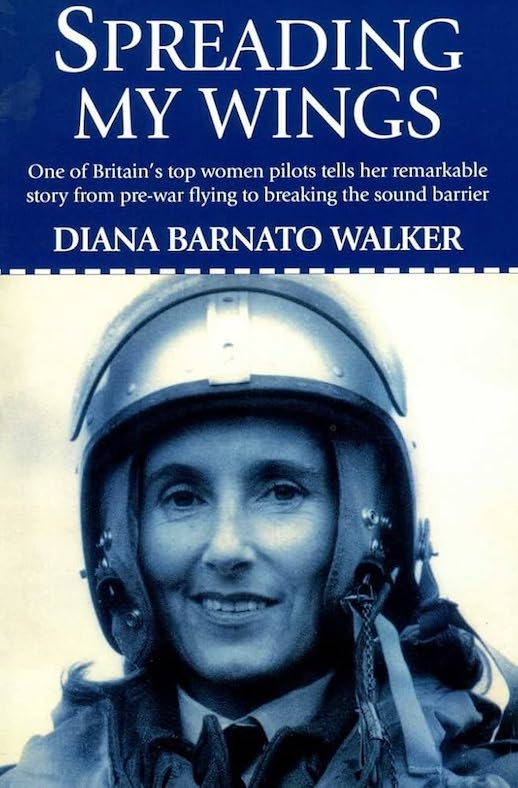
Women Aviators: From Amelia Earhart to Sally Ride
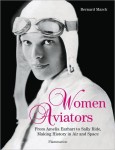
Making History in Air and Space
by Bernard Marck
It is either coincidence or clever planning that this book came out just about the time the movie Amelia (as in Earhart) was released. One can only wish that movie or book will fan the flames of interest in this deserving subject!
Secret Aircraft Designs of the Third Reich
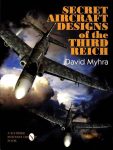
by David Olaf Myhra
Unless you already know a bit about this subject you’ll probably be surprised how many hundreds of advanced aircraft projects were on the drawing boards at the end of WWII. In political terms it’s a good thing that that’s were they stayed, denying Germany the technological supremacy that would have altered the outcome of the war.
London’s Airports: Useful Information on Heathrow, Gatwick, Luton, Stansted and City
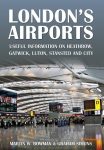
by Bowman & Simons
London, the capital city of England and the United Kingdom, has been a major settlement for two millennia. While hard numbers constantly change, modern-day London did and may still lay claim to the largest GDP in Europe and the most international visitors of any city anywhere.
Something Quite Exceptional: Hugh Easton and the Battle of Britain Memorial Window for Rolls-Royce
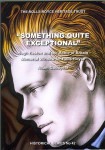
by Adam Goodyear
Many aircraft have been, and are, powered by Rolls-Royce engines. In the WWII context it is of course the Spitfire with its Merlin engine that tops the list. It played a pivotal role in the Battle of Britain, where, against formidable odds the pilots of the planes it powered turned the tides of war.
Race to the Sky: The Wright Brothers Versus the United States Government
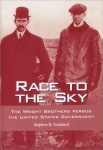
by Stephen B Goddard
It is positively exciting to think that only three short years lie between the Wrights launching an unmanned kite/glider, then strapping themselves to it, learning by trial and error how to control it, and then, in 1903, achieving mankind’s first powered, controlled, heavier-than-air flight.
Orville’s Aviators: Outstanding Alumni of the Wright Flying School, 1910–1916
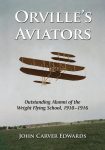
by John Carver Edwards
Kitty Hawk is the location that has so lastingly become associated with the Wright brothers’ aviation triumphs but Greene County, Ohio is where most of the actual development and flying—and training—took place.
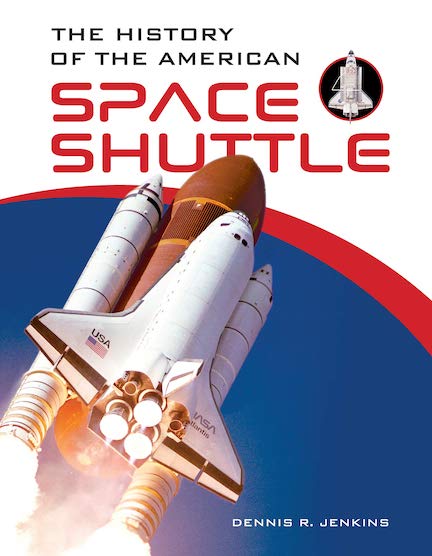
The Space Shuttle Program: How NASA Lost Its Way
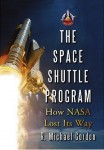
by R. Michael Gordon
Even if everyone in the record crowd of 750,000+ that attended NASA’s 135th and final launch in July 2011 had paid $10 admittance, all that money wouldn’t put much of a dent into the $3 billion annual shuttle bill.
Pistons to Blades : Small Gas Turbine Developments by the Rover Company
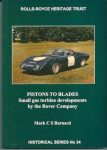
by Mark C S Barnard
A gas turbine-powered Bentley in the late 1940s? Could have happened! The background to this book is the swap of Rover’s jet engine work for Rolls-Royce’s Meteor tank engine program in 1943.
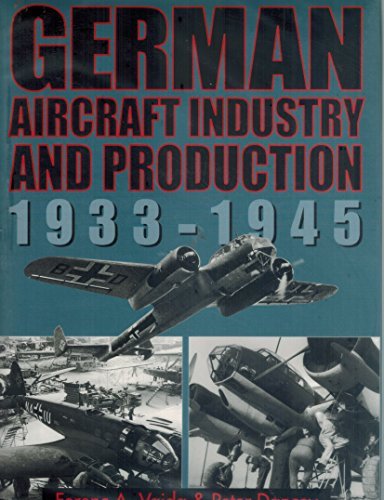
German Aircraft Industry and Production 1933–1945
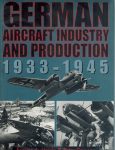
by Vajda & Dancey
This book is a compilation of statistical data gathered from German archives and previously published material. While the book is certainly not for everyone, it does contain a huge quantity of information. The authors’ conclusions in Chapter 12 on why Germany was destined to lose the air war are alone worth the price of the book.
Rolls-Royce Hillington: Portrait of a Shadow Factory
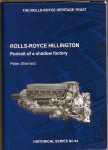
by Peter Sherrard
Preparing for WWII, the Shadow Factory scheme was the British Government’s attempt to guard against the possible loss of key industrial sites, in this case the Rolls-Royce factory at Derby. The Hillington plant on the outskirts of Glasgow was Rolls-Royce’s first site in Scotland and, in addition to the factory at Crewe, the second Shadow Factory.







 Phone / Mail / Email
 RSS Feed
 Facebook
 Twitter